Structured Access to Documentation & Releases
Structured Access to Documentation & Releases
The content of the documentation and any downloadable materials is organized according to a structured access hierarchy.
01
Basics & DIY
Entry‑level resources designed for first‑time users, makers, and basic deployments.
Includes
introductory documentation, community materials, and non‑critical use cases.
02
educational & integrators
Structured resources for universities, training centers, and certified system integrators.
Includes
extended documentation, integration guides, and deployment scenarios for educational labs and pilot environments.
03
Certified industrial
Enterprise‑grade documentation and approved release packages intended for certified industrial deployments.
Includes
versioned LTS documentation, security policies, hardening guidelines, and compliance‑ready resources.
04
Partner & Dedicated Access
Restricted access area for contracted partners and dedicated enterprise clients.
Includes
custom builds, extended support materials, private repositories, and project‑specific resources.

DOCUMENTATION HUB
Searchable manuals, SCADA‑LTS MediaWiki, API documentation, and long‑term support references for secure and resilient industrial deployments.
Approved Releases & Technical Resources
Access approved release packages, versioned LTS documentation sets, installation guides, and operational references for industrial automation teams.

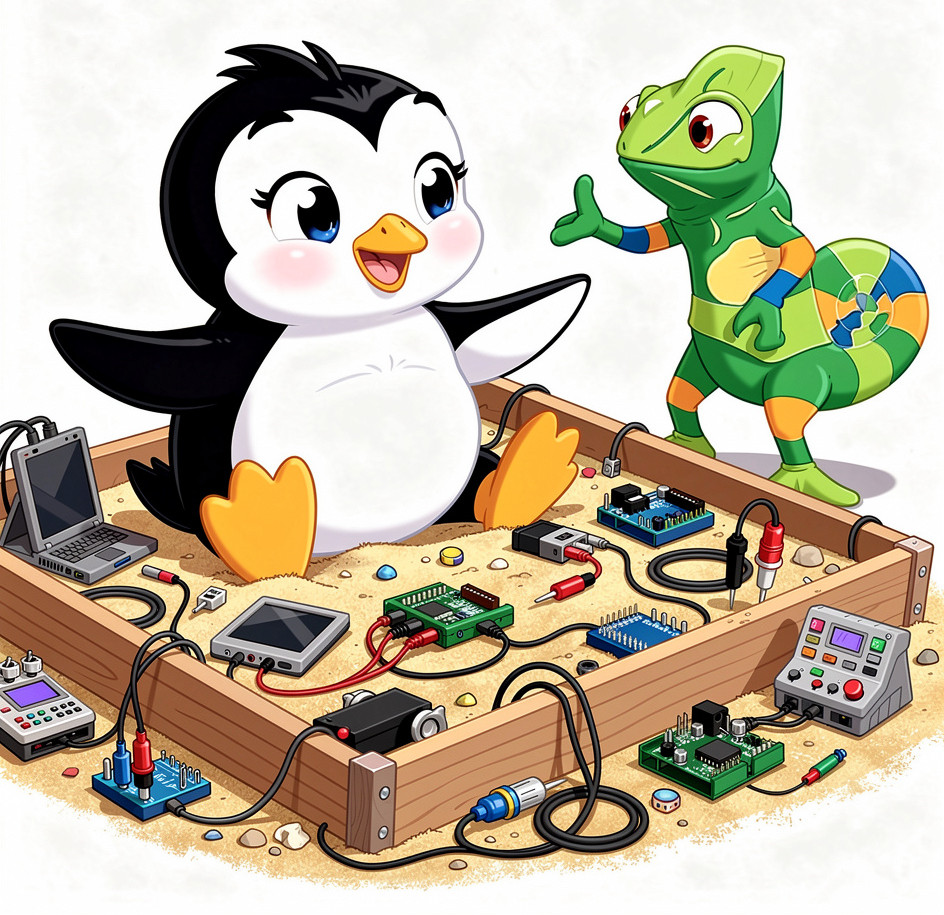
Abil’I.T. provides you with just lunched 10! VirtualHosts sandbox SCADA-LTS on RaspberryPi.
5 virtualhosts for Public, running the 2.7.8.1+ Scada-LTS version, for you to test and practice.
5 instances are available on demand with private access.
The public servers are pre-configured with a set of basic lessons, so that you can learn easily how to use, configure, manage, maintain the Scada-LTS.
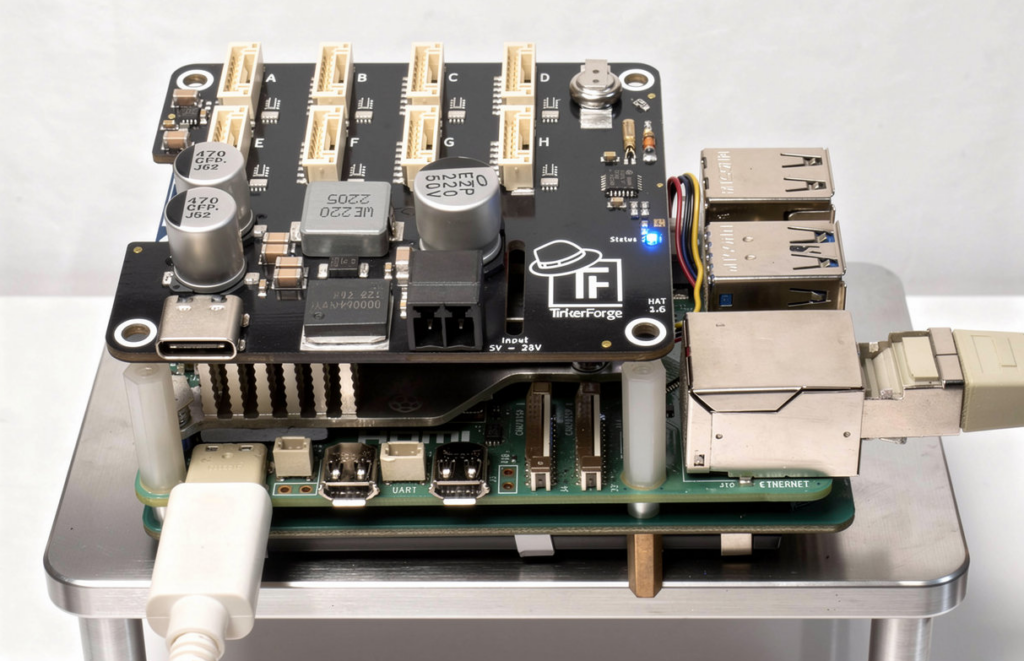
Those servers are running on a ARM-based Raspberry PI 5, fitted with two ultra-fast NVMe disks in Raid-1 (mirroring) and an interface board (HAT) from Tinkerforge, for external probes and actuators connections.